
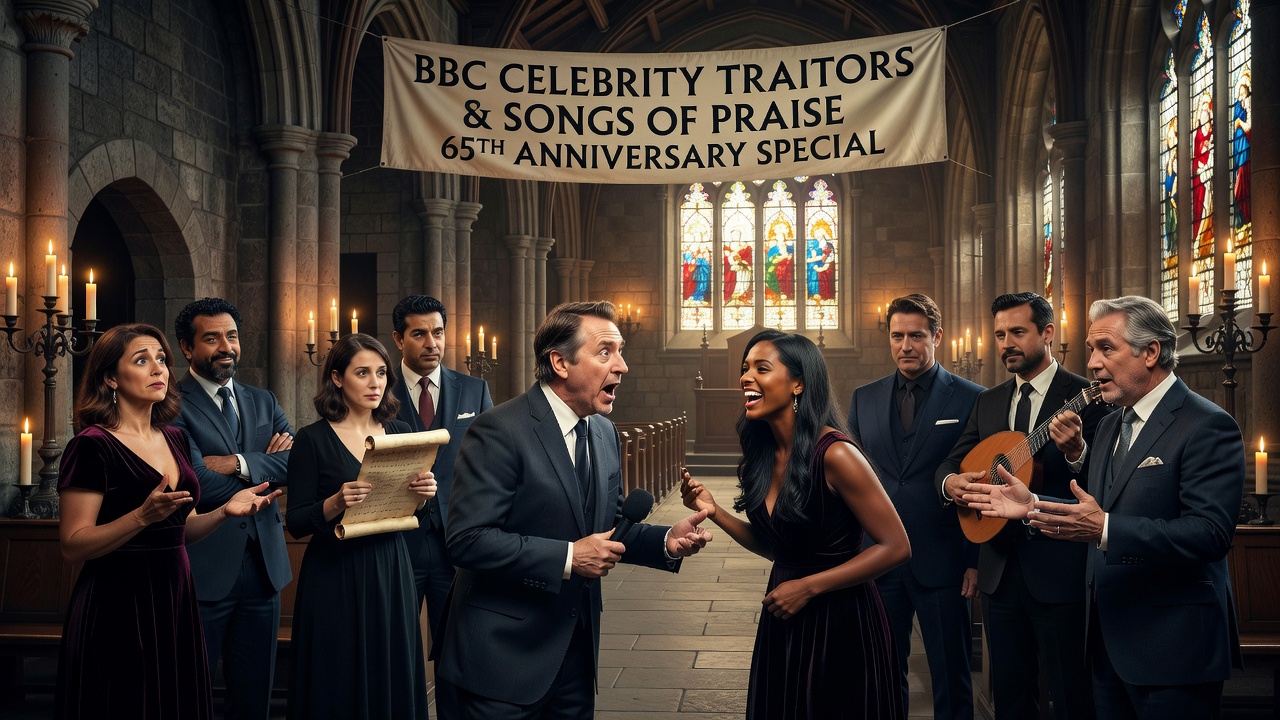
The celebrity edition of Traitors is back on BBC1 this autumn, airing Thursdays and Fridays, and the opening episode wasted no time delivering its signature blend of chaos and charm. Richard E. Grant's near-instant confession as a traitor, prompted by nothing more than a direct question from Joe Lycett, set the tone for a series that trades suspense for spectacle. For a format built on deception, it is a curious but effective paradox.
Why the Celebrity Format Works Differently
The standard version of Traitors relies on genuine uncertainty: contestants are strangers to one another, and the slow accumulation of trust and suspicion gives the game its edge. The celebrity version cannot replicate that fully, because viewers already know these public figures and bring assumptions about their personalities into the mix. What it loses in genuine jeopardy, it gains in performance. Watching someone like Grant fail spectacularly at subterfuge is, as fellow traitor Maya Jama put it, akin to "having an unhinged uncle running wild in the castle." The pleasure here is not in guessing who the traitors are but in watching famous people behave unpredictably under pressure.
This year's line-up, including Miranda Hart, Rob Beckett, Romesh Ranganathan, Hannah Fry, Ross Kemp, James Blunt, and Michael Sheen, gives the production a broad comic and emotional range. Claudia Winkleman's return as host continues to anchor the show's slightly gothic, theatrical register, which suits the celebrity format's heightened, almost pantomime energy.
A Different Kind of Sunday Comfort
Songs of Praise marked its 65th anniversary with a special edition hosted by Aled Jones and Pam Rhodes, broadcast from the Tabernacle Chapel in Cardiff, the site of the programme's very first transmission. Few programmes anywhere in the world have maintained such a long, consistent run, and fewer still have done so while keeping their original purpose largely intact: a gentle, musical expression of Christian faith delivered to a general audience.
The programme's longevity owes something to the presenters it has attracted over the decades, among them Sir Cliff Richard, Charlotte Church, and Sir Harry Secombe, each bringing their own following and credibility to the format. Its appeal, though, extends well beyond committed churchgoers. The combination of communal singing, personal testimony, and quiet reflection on prayer offers a kind of reassurance that does not require belief to be appreciated, only openness to the sentiment being expressed.
Two Shows, One Shared Instinct
What links a satirical reality competition and a devotional music programme is less obvious than it first appears. Both succeed by offering audiences something dependable within a familiar structure, whether that is the ritual unmasking of a traitor or the ritual singing of a beloved hymn. In an era when much of television chases novelty, there is something notable about two programmes thriving precisely because they know what they are and keep doing it well.